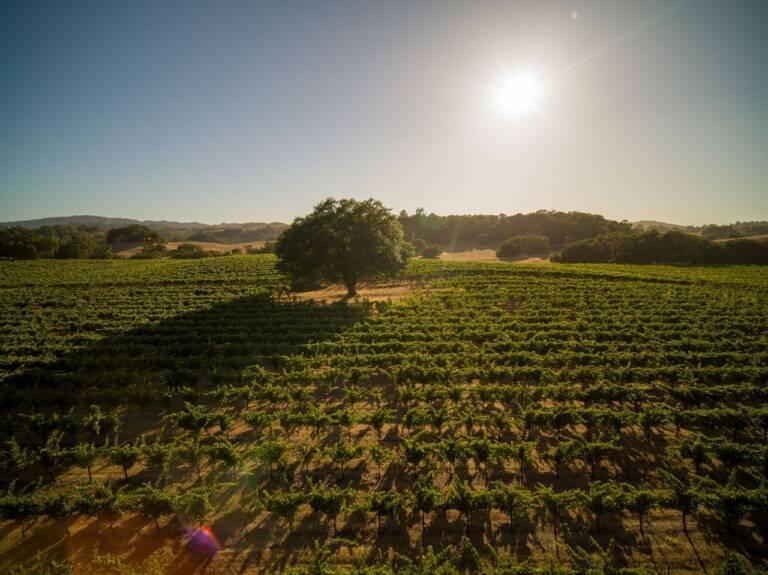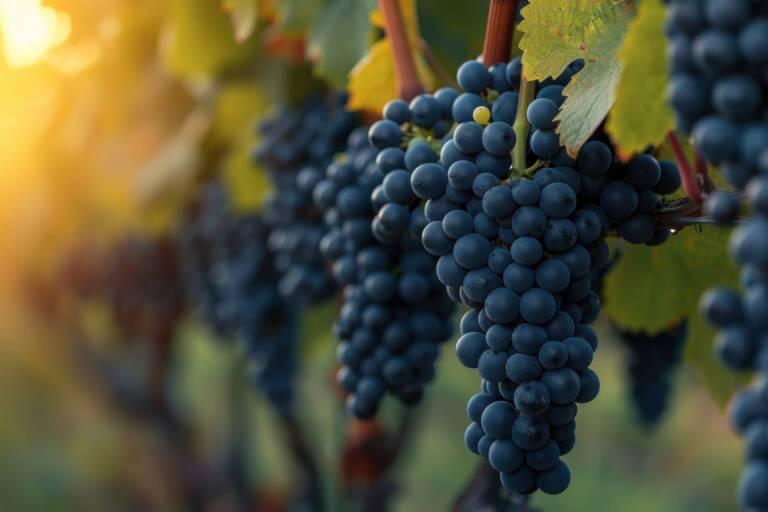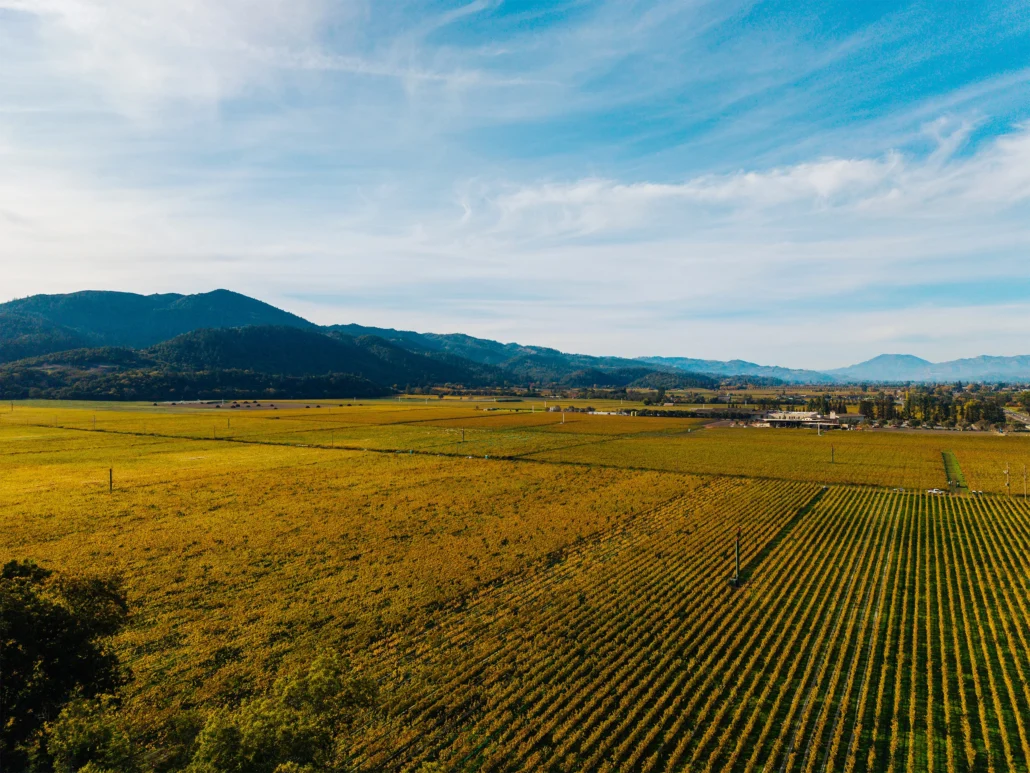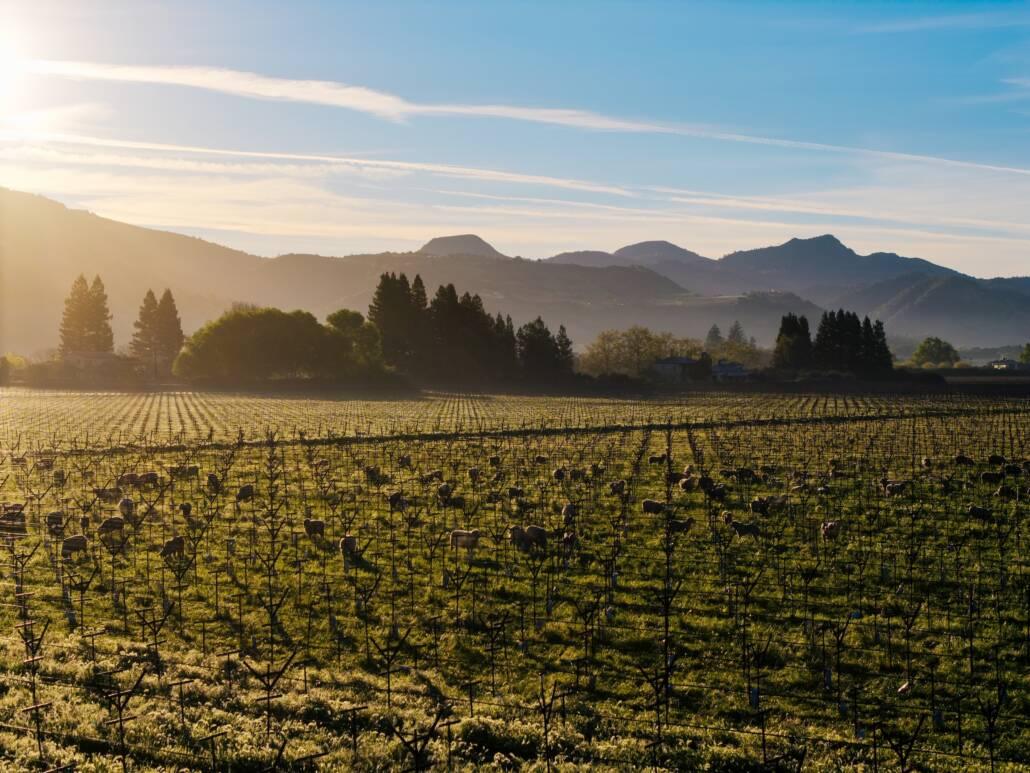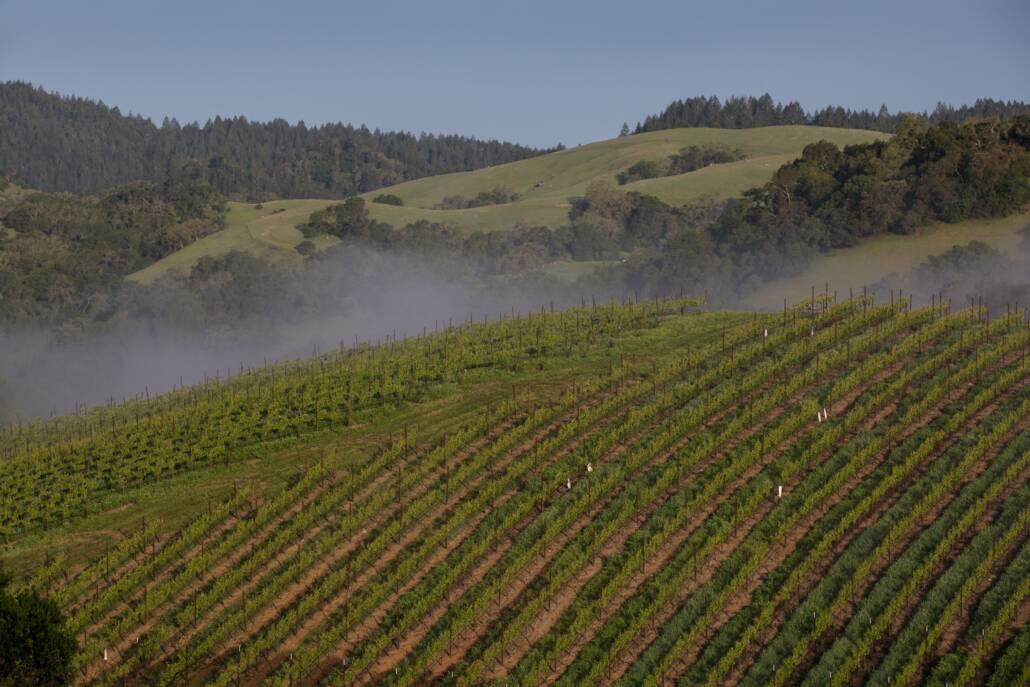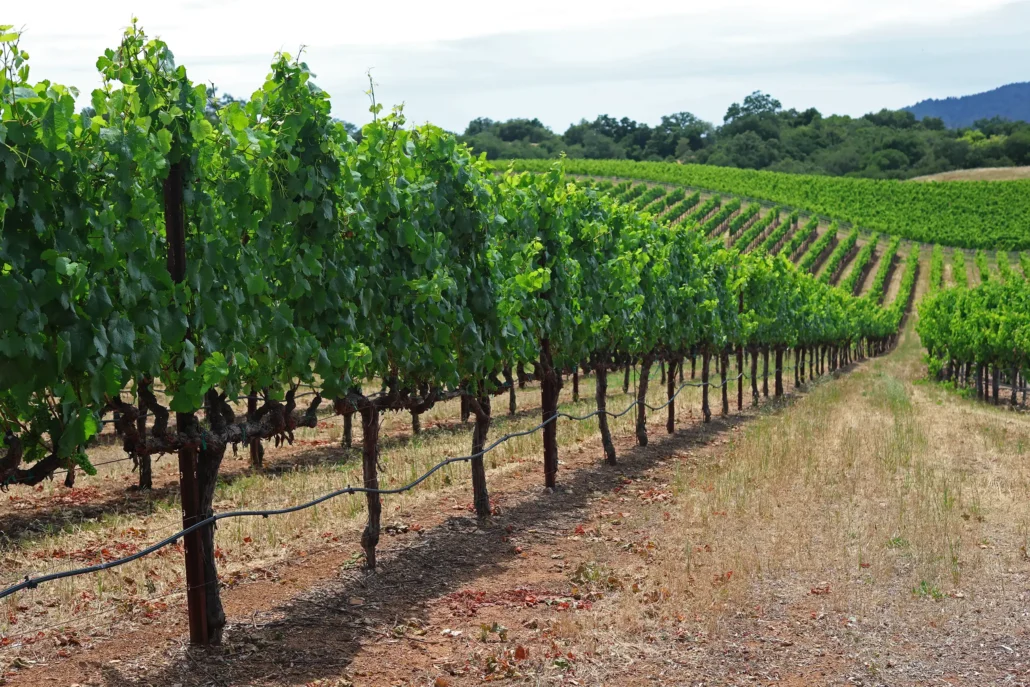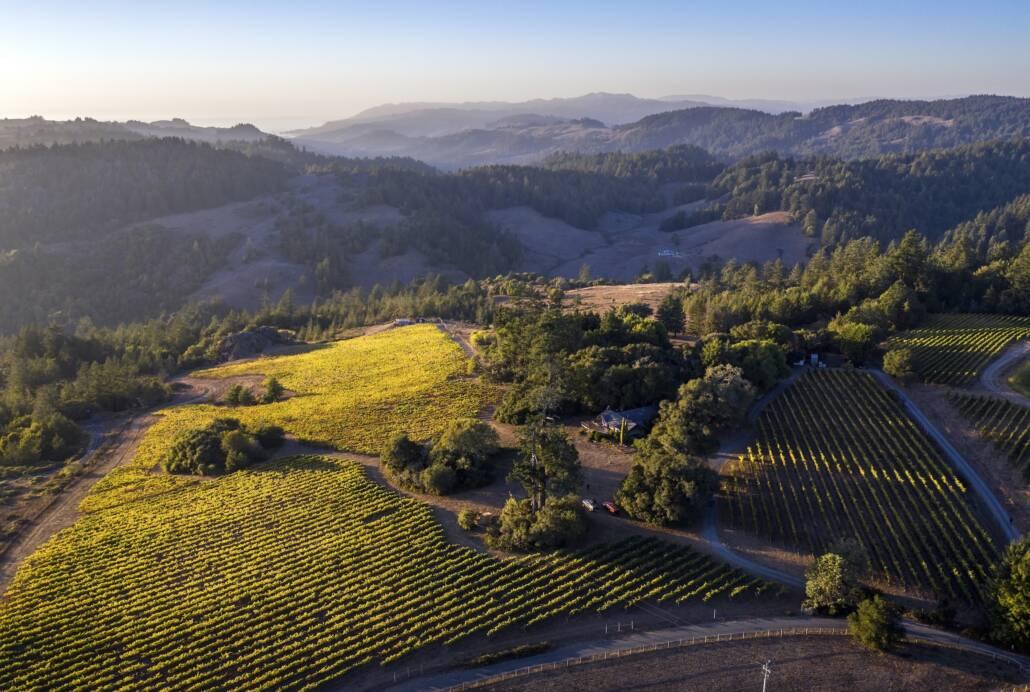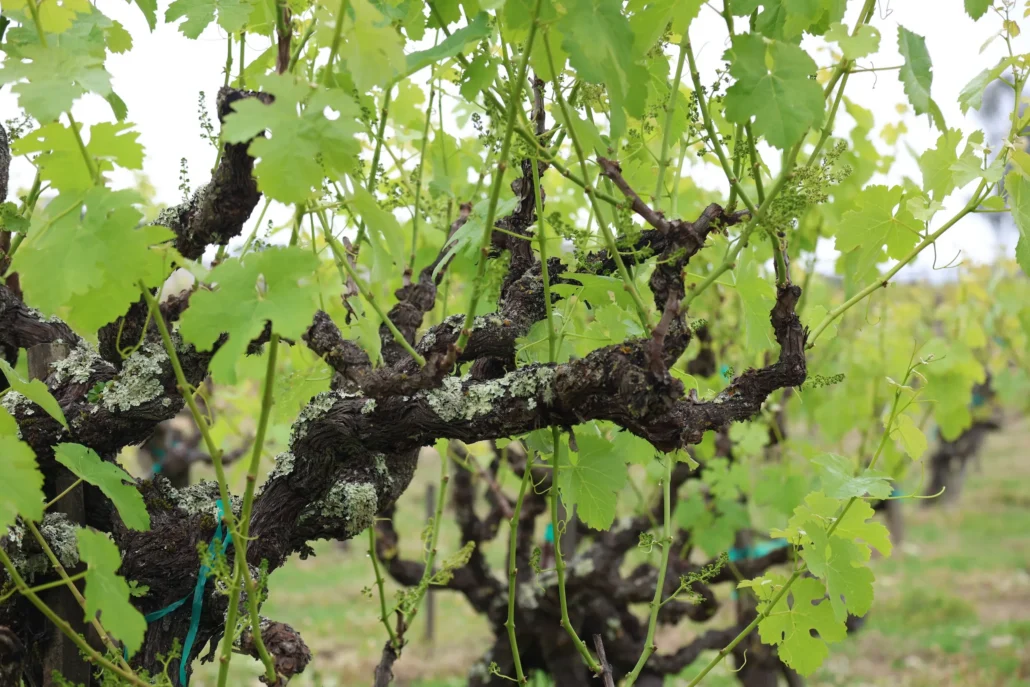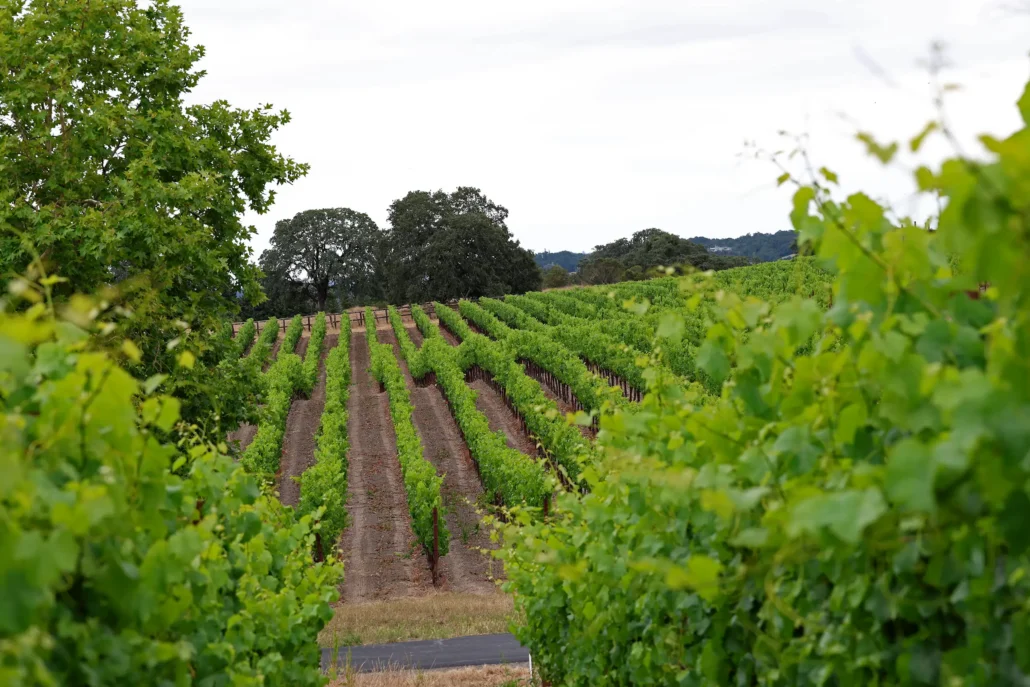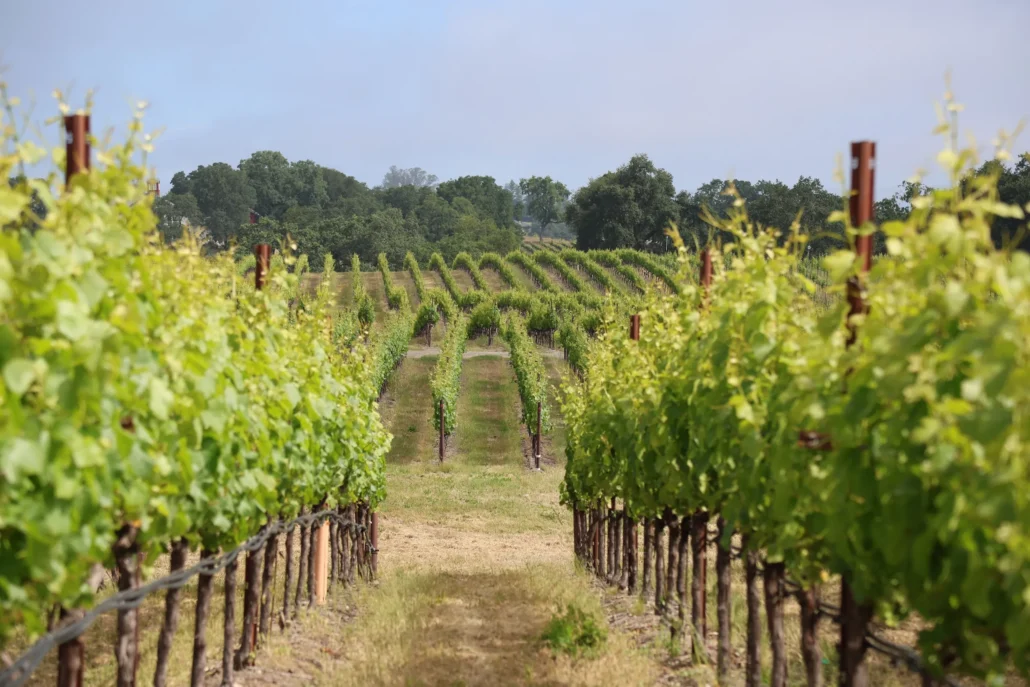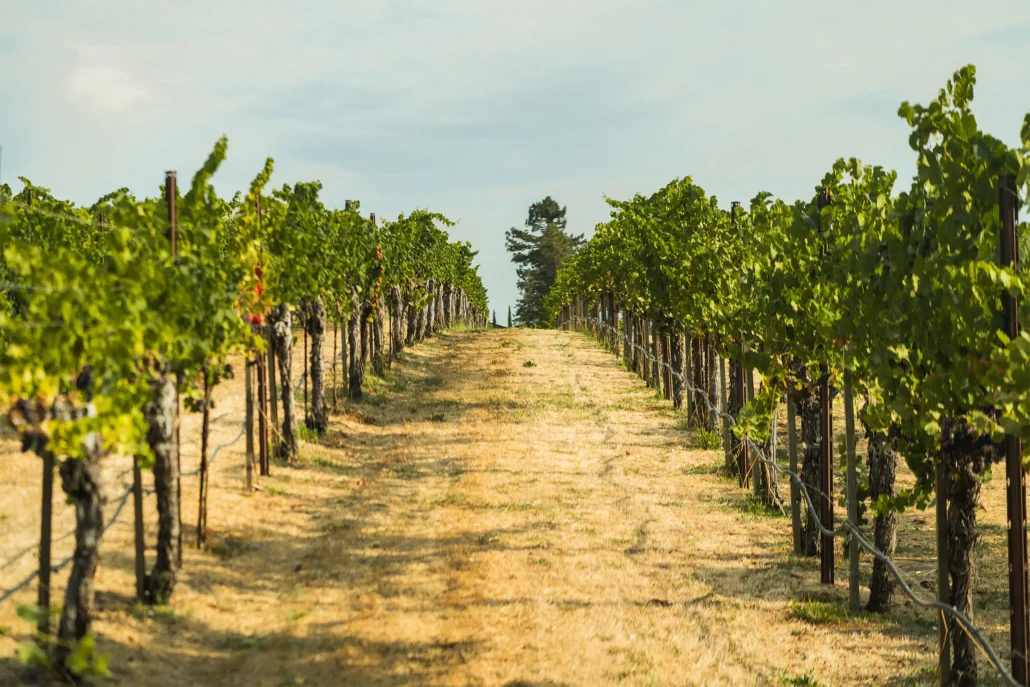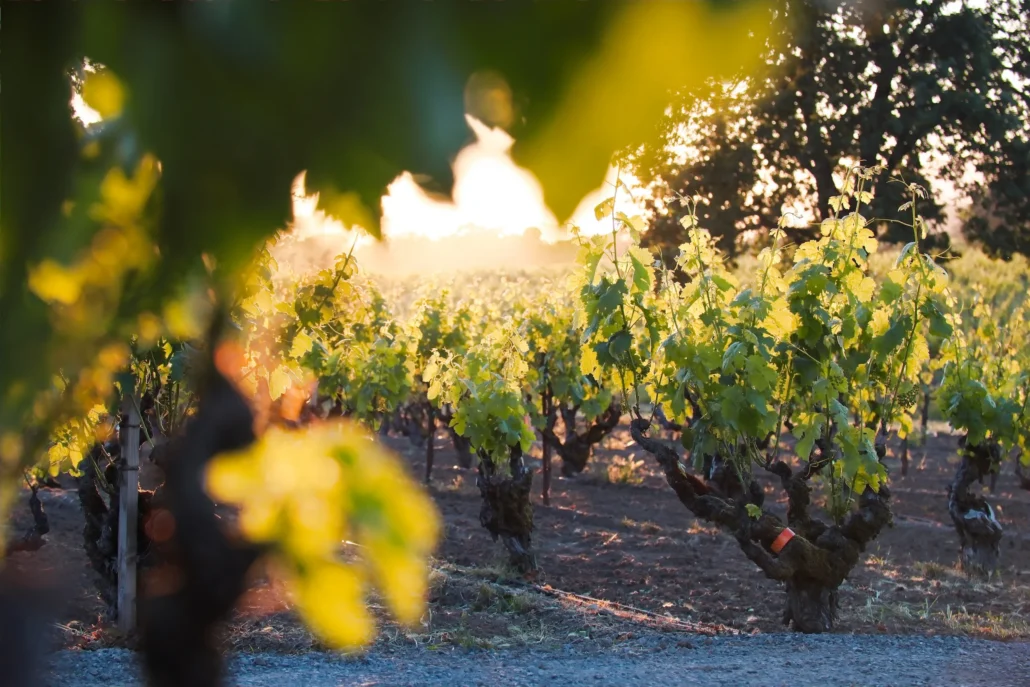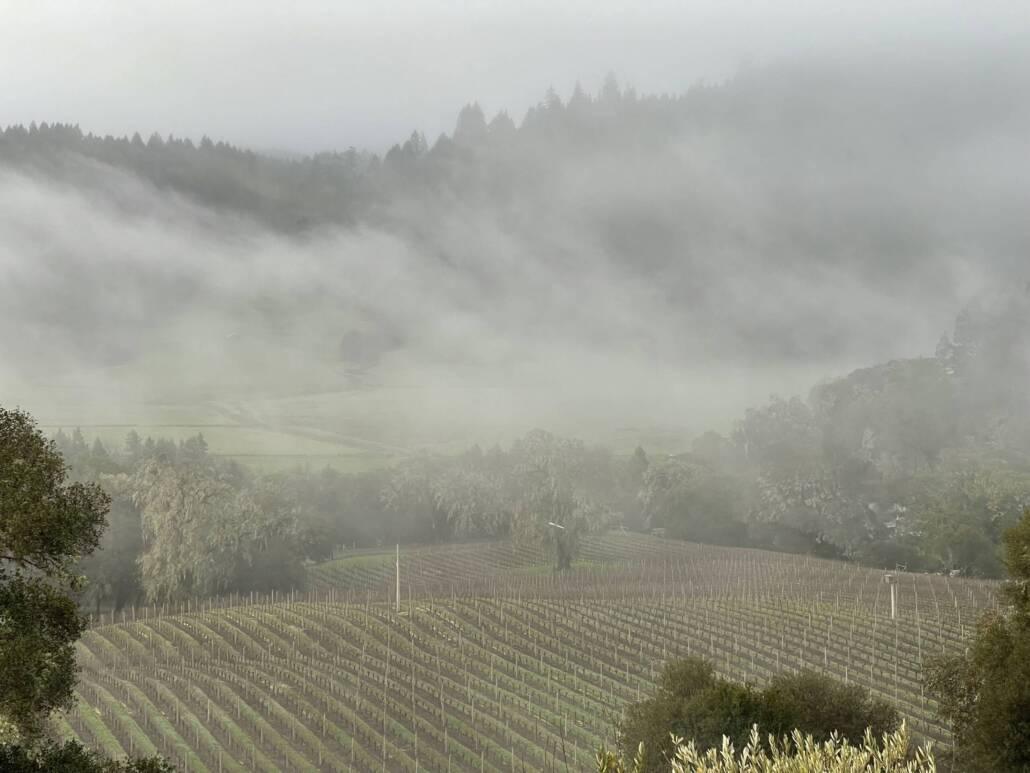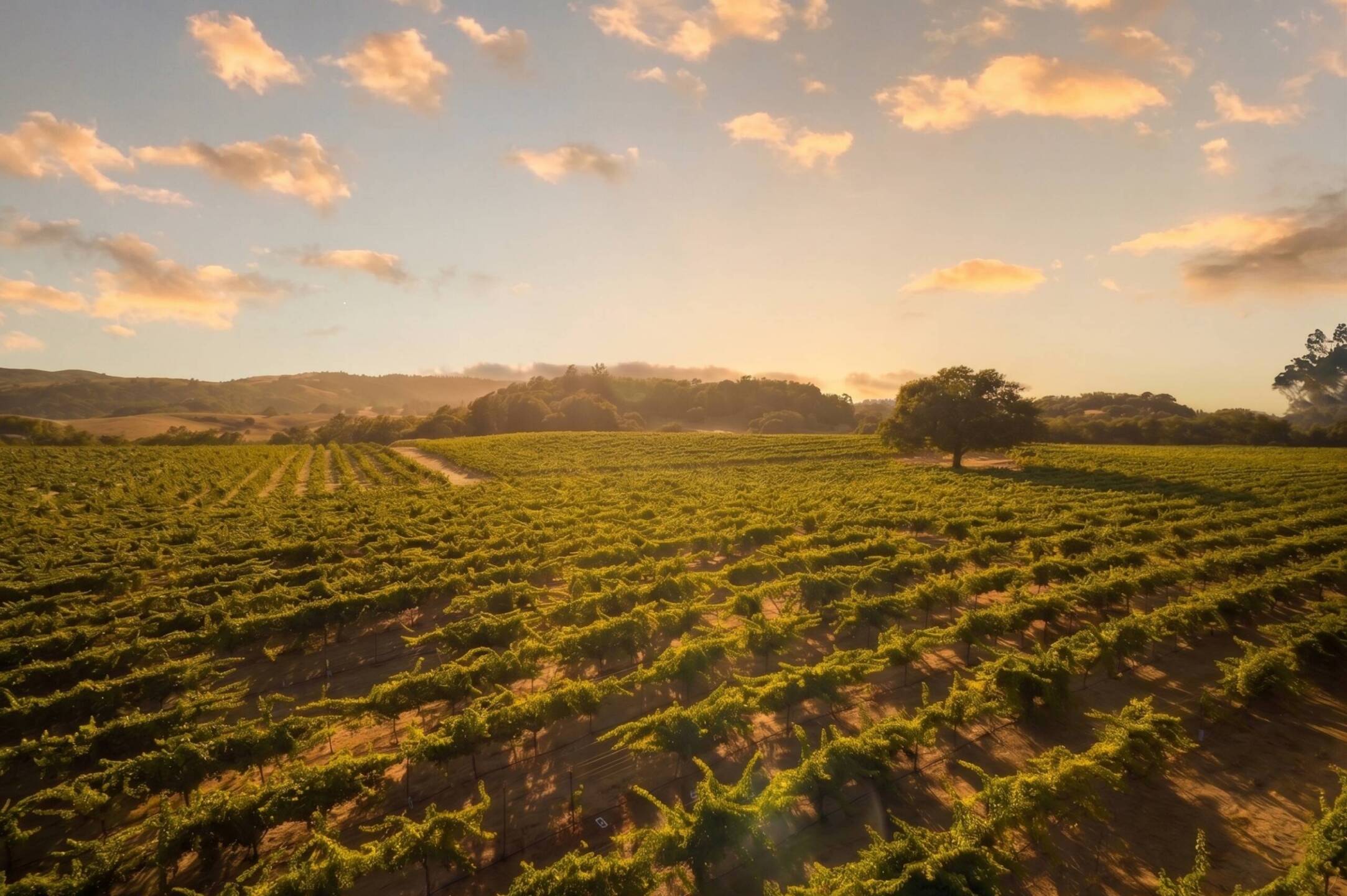
The Bacigalupi family has been farming in the Russian River Valley for more than seven decades. The vineyard is divided into four parcels — Williams Selyem sources Zinfandel from the Frost 3B block and Pinot Noir from SE Block G#8. The vines are trained high, up to four feet from the ground to the fruit, a practice the Bacigalupis adopted long ago for better air circulation and cleaner harvests. No-till farming, minimal chemical inputs — sustainable agriculture before anyone was calling it that.
The family’s roots in California wine go back to 1872, when Charles Bacigalupi’s ancestors arrived from Italy. Both sets of his grandparents ran wineries. Charles became a dentist, but the farming instinct held. In 1950, he and his wife Helen bought a small farm growing prunes, peaches, and cherries, with a few acres of grapes already in the ground. They started planting Pinot Noir in 1964. Their son John and his family carry the operation forward today.
In 1976, when California wines defeated the French at the Paris tasting that changed how the world thought about American wine, the Chardonnay that made history came from Helen and Charles Bacigalupi’s vineyard. That provenance is not something you forget.
Williams Selyem has sourced from Bucher Vineyard since 1999. The grapes arrive with decades of farming conviction behind them — the kind of depth and consistency that comes from a family that has never been in a hurry to do things the easy way.