

Winemaking
Hand Work, Small Lots,
No Shortcuts
From the beginning, Williams Selyem has been grounded in a simple principle: Make the best wines, from the best grapes, from the best growers. When the fruit is this good, restraint is the craft.

Constraint
Classical Methods, Born of Necessity
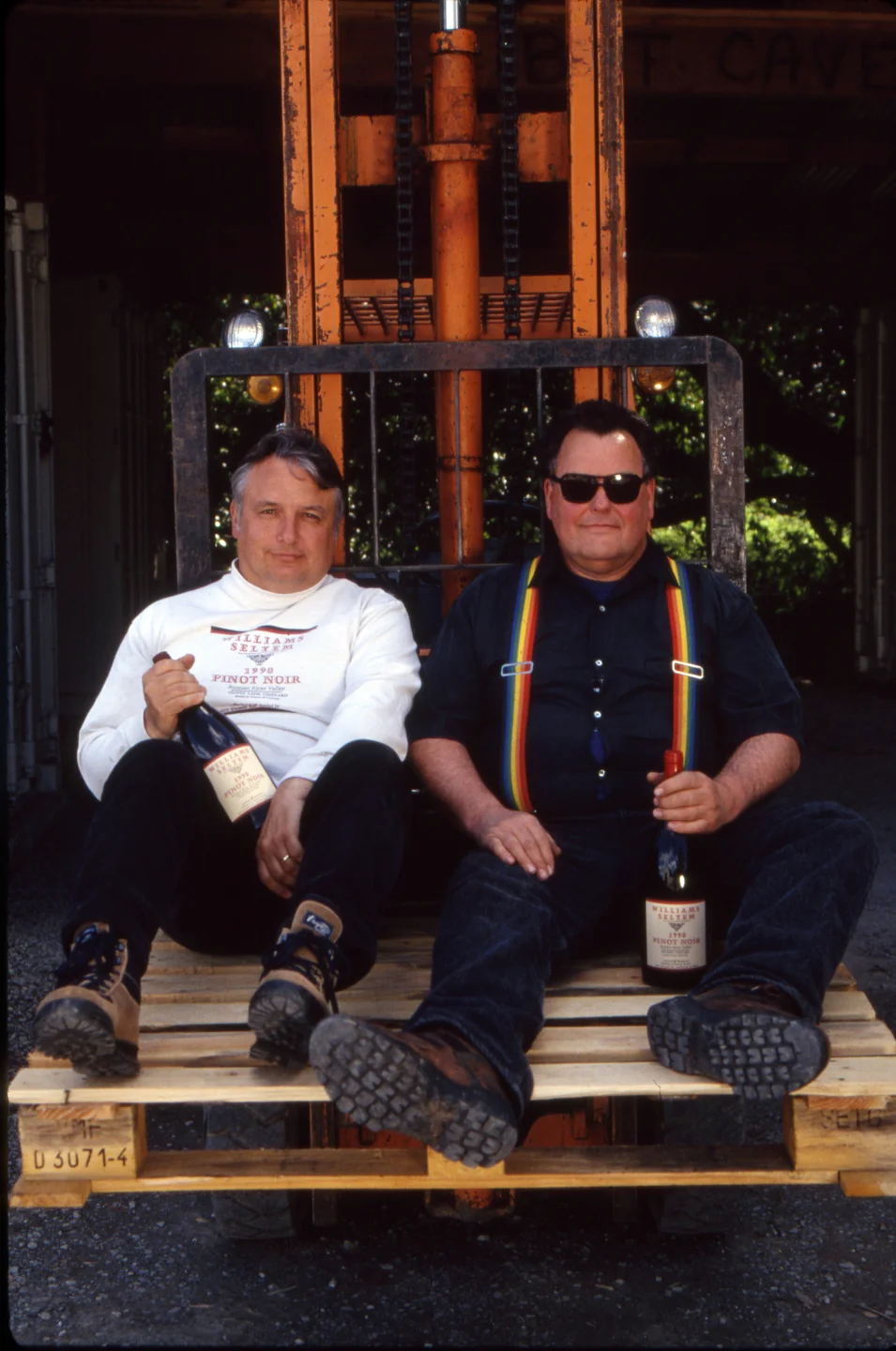
Burt Williams could not afford modern equipment, so he turned to the past. He studied ancient winemaking texts, internalized the work of Emile Peynaud, and sought out Burgundian traditionalists like Dominique Lafon. Working with antique dairy tanks, a 1905 basket press and guided by seasoned Italian-American cellar masters in his Sonoma circle, he developed a slow, low-intervention approach grounded in balance and restraint.

Continuity
Upholding Tradition
Burt’s wines were timeless and precise, and the world took notice. Our winemaking philosophy continues to reference his, emphasizing transparency of site, unconventional methods in the cellar, precision at every touch point, and longevity in the bottle. Director of Winemaking Jeff Mangahas has studied every one of Burt’s original notes and journal entries, upholding our founder’s original vision and old-world production techniques, one small lot at a time.
Traditional winemaking wasn’t just what we could afford. It was what I was sure would make the best wines.
Values
In the Winery, Values Matter

Practical Origins, Maverick Results
Today, Burt Williams is seen as a brilliant nonconformist who thought outside the box. The truth is that he started using mid-century milk tanks to ferment his wines simply because they were there. As the Sonoma dairy industry declined in the 1970s, the region was rife with high-grade, double-walled stainless-steel tanks, with bulletproof welding and nowhere to go.

Gentle Handling, From Vine to Bottle
Our cellar is built around gravity flow. For blending and barrel transfers, we rely on dome-topped stainless steel vessels. More often found in breweries, these tanks run at higher pressure, allowing for wine to be transferred with inert gas instead of pumps. It is an unconventional choice, but the softer handling helps preserve texture, nuance, and balance in the finished wines.
Unorthodox But Unparalleled
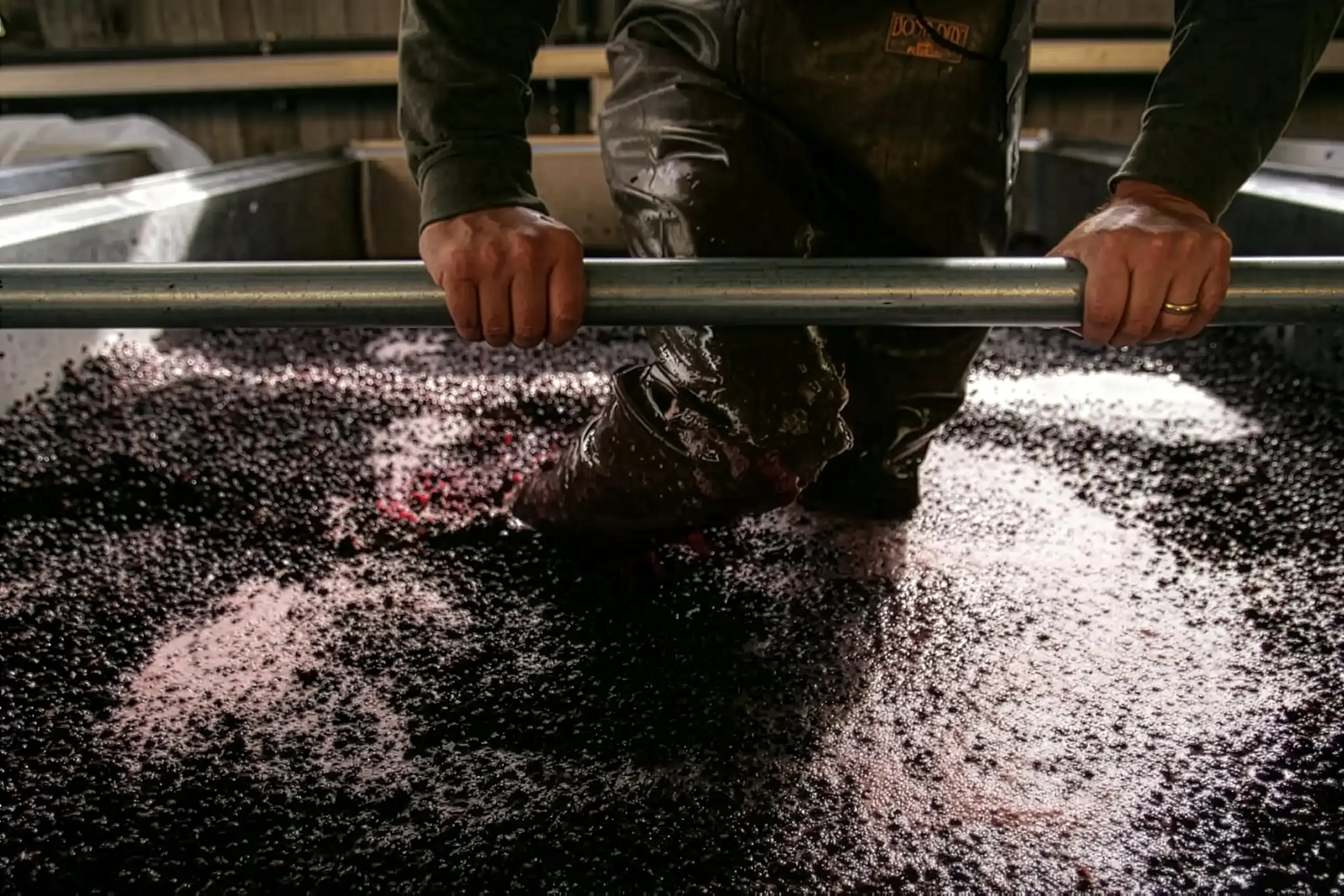
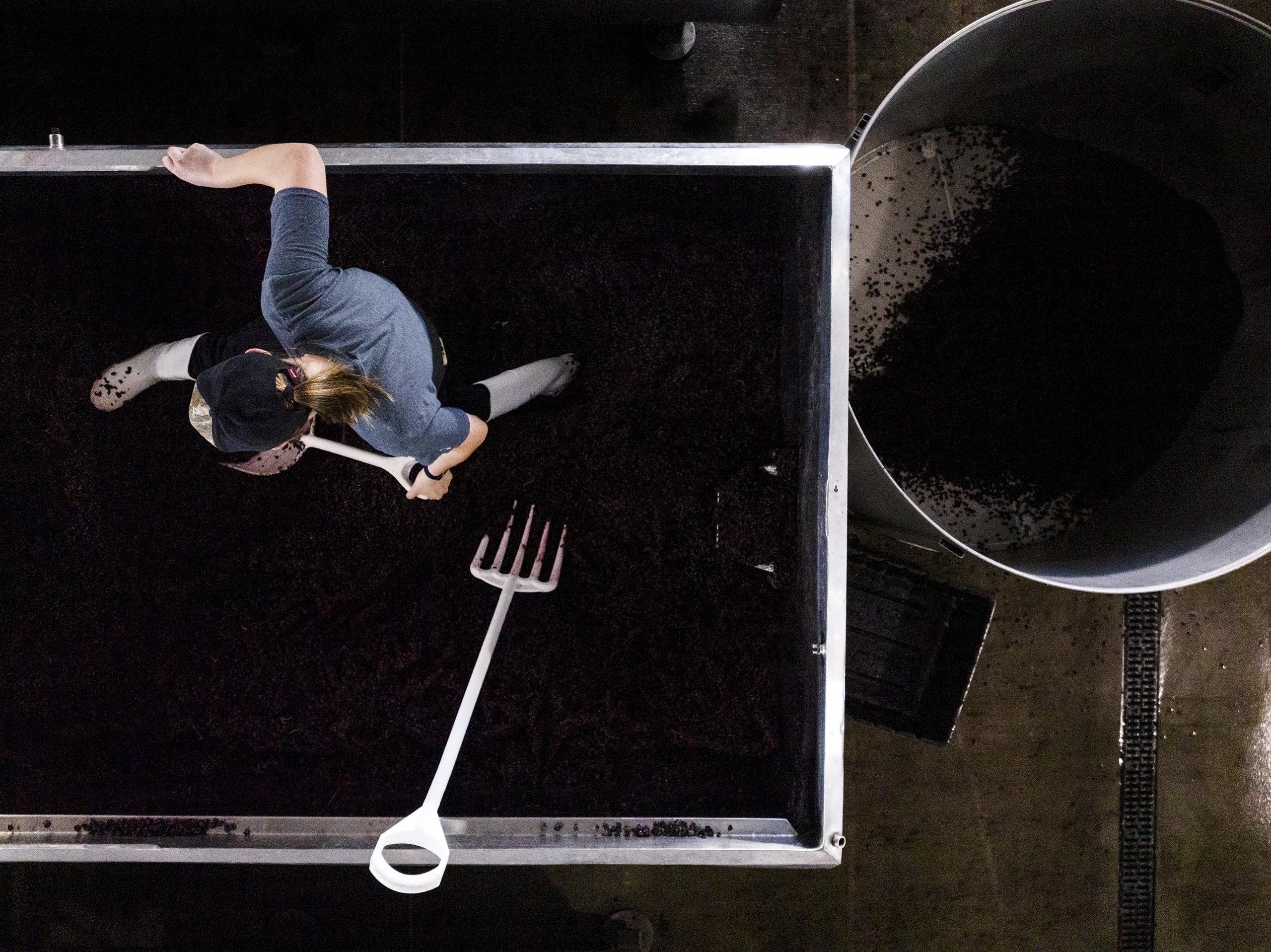
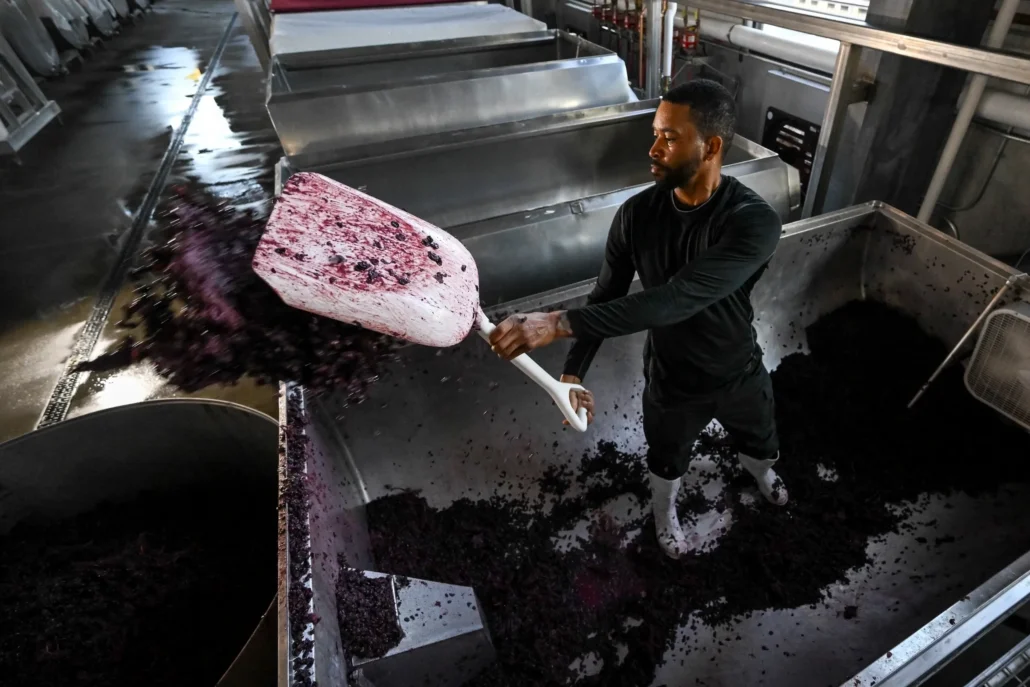
Antique stainless-steel dairy tanks are still at the center of our process. Wide, shallow, open-topped and temperature controlled, they are ideal for foot treading, allowing gentle extraction and precise fermentations. No longer produced, they are prized for their functionality and longevity. Jeff Mangahas continues to collect these antique vessels for the Fermentation House, taking the hunt to farms as far away as Pennsylvania Amish country.

Times Change, Garagiste Style Remains
Our address has changed a couple of times since Burt and Ed’s garage days. Today, Jeff Mangahas works from a modern facility near downtown Healdsburg, purpose-built to give him precise control over every detail of the élévage process. Barrels then age at our Russian River Valley Estate before we bottle our wines onsite. The scale may be different than it was in our garage days, but the mentality is exactly the same.
A Bond with Burgundy
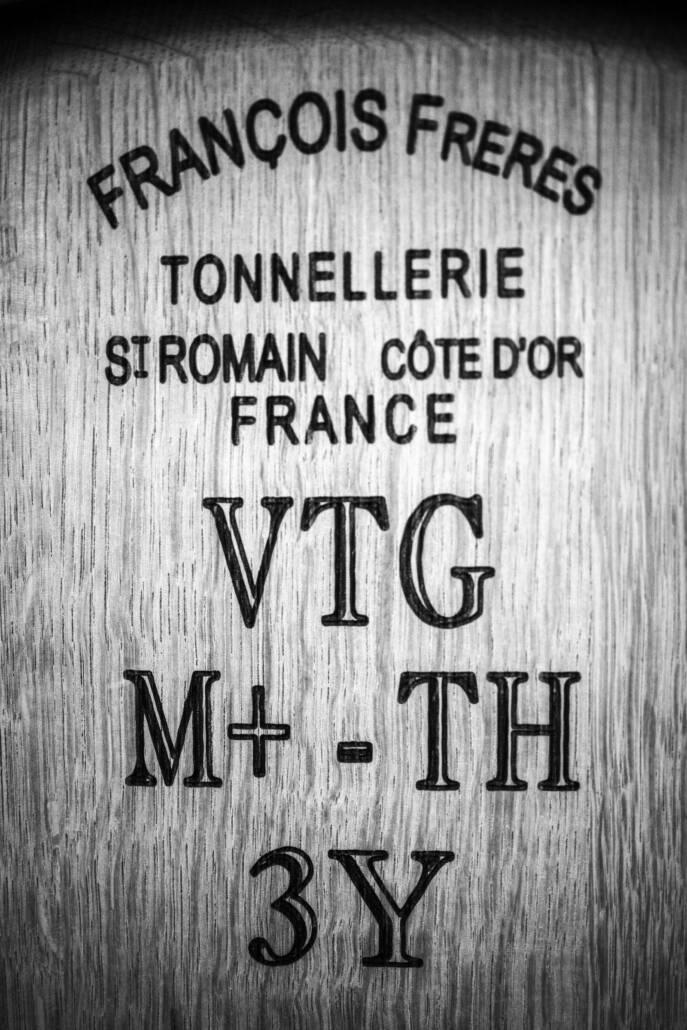
Our latest chapter with the Faiveley family brings us full circle. Burt’s earliest wines were compared to a fine Nuits-Saint-Georges—the very village where the Faiveleys have been making wine since 1825—and their admiration for Williams Selyem ran deep long before we joined forces. It’s a natural progression in a legacy spanning three devoted owners, grounded in a shared belief in balance over excess. Both wineries follow many of the same Burgundian practices, including partial whole-cluster fermentations and no fining or filtering. When it comes to cooperage, we speak the same language, as well: Combined, we are Tonnellerie François Frères’s largest customer.
A Living Yeast Culture
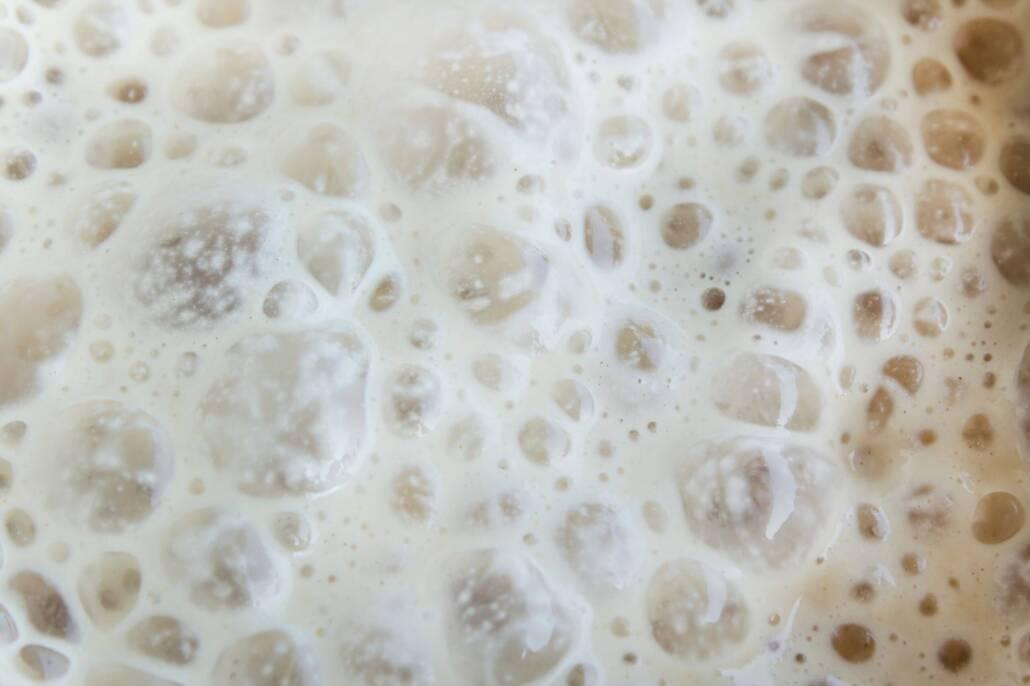
Our proprietary yeast culture was born in 1984, when a single Zinfandel barrel finished a difficult fermentation cleanly and with exceptional texture. We have preserved our “Mother” ever since, painstakingly re-growing it each year in our Fermentation House laboratory from a single cell, much like a sourdough starter. Nurturing her is a job that both the harvest crew and our biologist-turned-winemaker take very seriously. “Mother” underpins the texture, balance, and reliability of our wines and is now shared with a small circle of winemaking colleagues.
Library
For the Record…
We’ve been making small-lot, minimal-intervention wines for decades. The Library is where that history lives, in vintage notes, vineyard records, and bottles going back to the beginning.
Vineyards
The Labor Follows the Fruit
Every decision we make in the cellar is informed by the grapes, and the vines they came from. Explore our Estate and Grower Vineyards.
The List
Elegance is Ageless
Time changes many things. But our commitment to traditional winemaking has never wavered. Jeff Mangahas continues to chase acid, texture, charm, and complexity in the same way Burt Williams did, nearly fifty years ago.